Department of Biochemistry
- Introduction
- Vision
- Mission
- Programs Offered
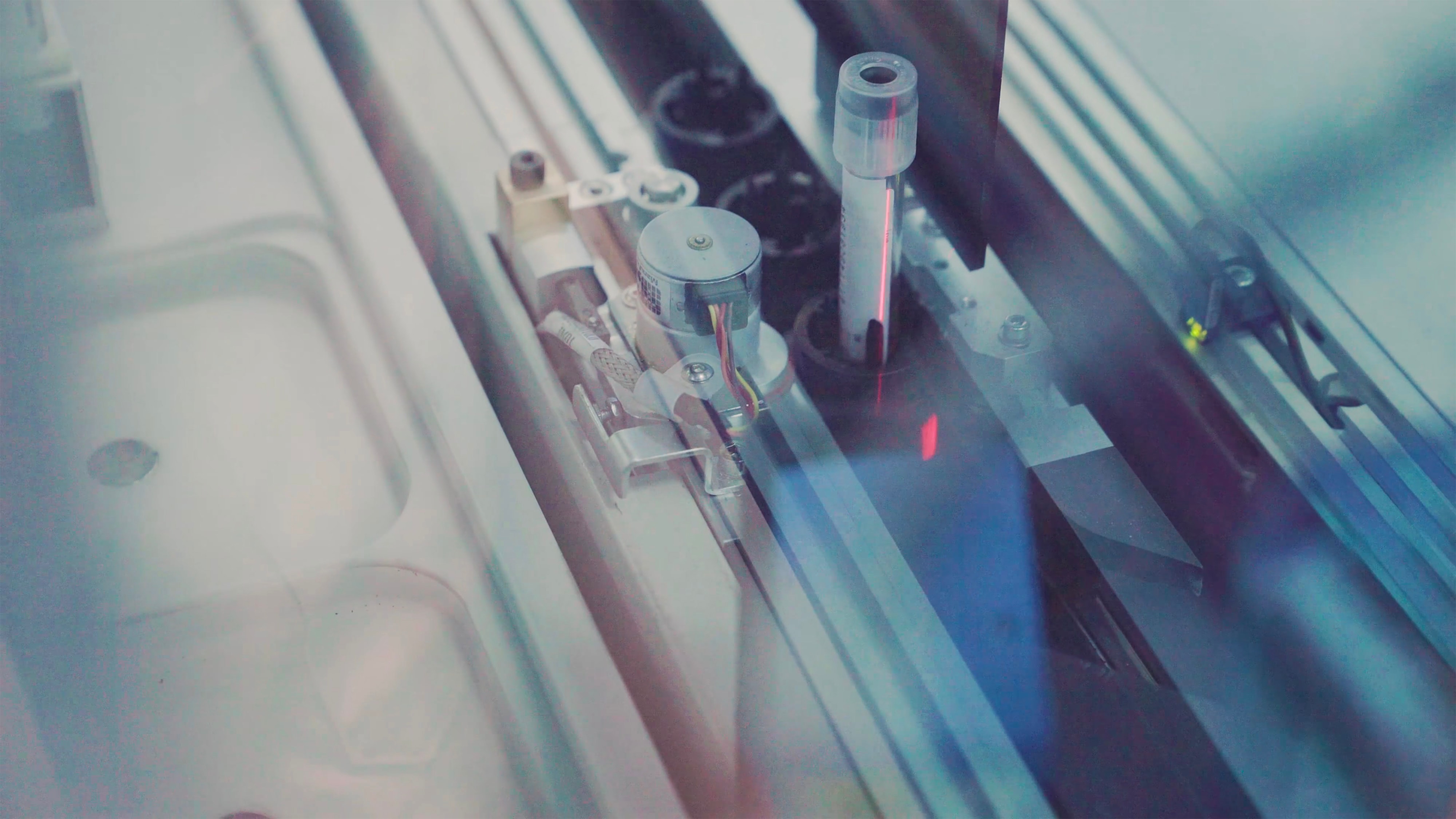
Department of Biochemistry is the multidisciplinary field of science that has a huge scope and demand at national and international level. Currently, the department is offering BS Biochemistry and now aims to launch M.Phil and PhD program in biochemistry in Fall 2026. The curriculum of graduate and postgraduate program is developed on the basis of local and international standards with highly competitive and advanced theoretical and practical courses. The hallmark of a curriculum is to infuse original thinking, resourcefulness, and entrepreneurial spirits among students. The undergraduate and postgraduate programs are designed to ensure acquisition of knowledge and skills, encouraging necessary exposure to inter-disciplinary areas. Moreover, the department regularly update the curriculum keeping in view the recent advances in the biochemistry and biological sciences. The department of biochemistry has highly qualified and competent faculty with doctorate and post-doctoral experience from reputable National and International Universities. Our biochemistry laboratories are equipped to perform research in the field of clinical biochemistry, oncology, genetics, enzymology, and molecular cell biology. Our graduates will get employment in international and local clinical laboratories, forensic science laboratories, research institutes, academia, agriculture, pharmaceutical and food industries. Beyond classrooms department promotes leadership and co-curricular engagement by the UON Society of Biochemistry that actively organizes seminars and academic events. Students present their research projects and literature reviews through professionally designed posters to enhance their confidence and professional ability. To connect textbook knowledge with real world applications, regular study tours are arranged. These visits expose students to diagnostic techniques, drug manufacturing, quality control and research operations. The department of Biochemistry, University of Narowal is committed to research and innovation. Future plans include international collaborations, creating more internship and job placement opportunities for students.
Vision
To become a center of excellence in biochemistry education and research by producing competent professionals and scientists who contribute to healthcare, industry, agriculture, and sustainable development at national and global levels
Mission
To impart quality education and training in biochemistry and medical laboratory technology based on international standards. The department is committed to developing students’ scientific knowledge, practical skills, analytical thinking, and entrepreneurship through advanced teaching, modern laboratory facilities, and research activities. We aim to produce graduates who can serve academia, clinical diagnostics, research organizations, and pharmaceutical/food industries effectively.
- Deliver quality education: Provide updated curriculum and advanced theoretical and practical training aligned with national and international standards.
- Develop practical skills: Train students in techniques of clinical biochemistry, molecular biology, genetics, enzymology, and diagnostic laboratory methods.
- Promote research & innovation: Encourage faculty and students to conduct research in areas like oncology, genetics, enzymology, and clinical diagnostics, and publish in impact-factor journals.
- Foster critical & entrepreneurial thinking: Build original thinking, problem-solving, and entrepreneurial spirit among students for self-employment and industry.
- Ensure interdisciplinary learning: Expose students to related fields of biological sciences for broader scientific understanding.
- Maintain updated curriculum: Regularly revise courses to incorporate recent advances in biochemistry and biomedical sciences.
- Enhance career opportunities: Prepare graduates for jobs in clinical labs, forensic labs, research institutes, academia, agriculture, pharmaceutical, and food sectors.
| Course Code | Course Title | Credit Hrs. | Type |
|---|---|---|---|
| Semester-I | |||
| BCH-101 | Introduction To Biochemistry | 3 (2-1) | Major |
| GEN-001 | Functional English | 3 (3-0) | General |
| GEN-004 | Introduction To Computer application | 3 (2-1) | General |
| ISL-106 | Understanding of Quran | 1 (1-0) | Compulsory |
| ENV-106 | Fundamentals of Environmental Science | 3 (2-1) | General |
| GEN-005 | Quantitative Reasoning I | 3 (3-0) | General |
| CHEM-101 | Inorganic Chemistry-I | 3 (2-1) | Interdisciplinary |
| Credit Hours: | 19 | ||
| Semester-II | |||
| BCH-102 | Carbohydrates & Lipids | 3 (2-1) | Major |
| BCH-103 | Microbiology | 3 (2-1) | Interdisciplinary |
| BOT-308 | Genetics | 3 (3-0) | Interdisciplinary |
| GEN-002 | Expository writing | 3 (3-0) | General |
| CHEM-102 | Organic Chemistry I | 3 (2-1) | Interdisciplinary |
| GEN-006 | Quantitative Reasoning II | 3 (3-0) | General |
| Credit Hours: | 18 | ||
| Semester-III | |||
| BCH-201 | Proteins & Nucleic acids | 3 (2-1) | Major |
| BCH-202 | Cell Biology | 3 (2-1) | Major |
| ENG-103 | Fables Wisdom Literatures & Epics | 2 (2-0) | General |
| GEN-003 | Entrepreneurship | 2 (2-0) | General |
| GEN-009 | Pakistan Studies | 2 (2-0) | General |
| GEN-010/GEN-011 | Islamic Studies/ Ethics | 2 (2-0) | General |
| CHEM-201 | Physical Chemistry- I | 3 (2-1) | Interdisciplinary |
| Quran-101 | Quran Translation-I | 0 (2 Lecture) | Compulsory |
| Credit Hours: | 17 | ||
| Semester-IV | |||
| BCH-203 | Human physiology | 3 (2-1) | Major |
| BCH-204 | Enzymology | 3 (2-1) | Major |
| BCH-205 | Biosafety & Bioethics | 3 (3-0) | Major |
| GEN-007 | Ideology & Constitution of Pakistan | 2 (2-0) | General |
| PSY-101 | Introduction to psychology | 2 (2-0) | General |
| GEN-008 | Civics And Community Engagement | 2 (2-0) | General |
| ISL-107 | Understanding of Quran II | 1 (1-0) | Compulsory |
| Credit Hours: | 16 | ||
| Semester-V | |||
| BCH-301 | Metabolism of Carbohydrates & Lipids | 3 (3-0) | Major |
| BCH-302 | Molecular Biology | 3 (3-0) | Major |
| BCH-303 | Nutritional Biochemistry | 3 (2-1) | Major |
| BCH-304 | Immunology | 3 (3-0) | Major |
| BCH-305 | Uses of Artificial Intelligence in Biochemistry | 3 (2-1) | Major |
| STAT-105 | Biostatistics | 3 (3-0) | Interdisciplinary |
| QURAN-102 | Quran Translation-II | 0 (2 Lecture) | Compulsory |
| Credit Hours: | 18 | ||
| Semester-VI | |||
| BCH-306 | Environmental Biochemistry | 3 (3-0) | Major |
| BCH-307 | Metabolism of Proteins & Nucleic Acids | 3 (3-0) | Major |
| BCH-308 | Methods In Molecular Biology | 3 (3-0) | Major |
| BCH-309 | Analytical Techniques in Biochemistry | 3 (2-1) | Major |
| BCH-310 | Scientific Inquiry & Research Methods | 3 (3-0) | Major |
| BCH-311 | Computational Biology | 3 (2-1) | Major |
| Credit Hours: | 18 | ||
| Semester-VII | |||
| BCH-401 | Bio membranes, Cell Signaling and Cancer | 3 (3-0) | Major |
| BCH-402 | Clinical Biochemistry | 3 (2-1) | Major |
| BCH-403 | Introduction to Biotechnology | 3 (3-0) | Interdisciplinary |
| BCH-405 | Elective-I | 3 (3-0) | Elective |
| BCH-407 | Elective-II | 3 (3-0) | Elective |
| BCH-409 | Internship | 3 (0-3) | Major |
| Credit Hours: | 18 | ||
| Semester-VIII | |||
| BCH-404 | Genomics | 3 (3-0) | Major |
| BCH-406 | Proteomics | 3 (3-0) | Major |
| BCH-408 | Neurochemistry | 3 (3-0) | Major |
| BCH- | Elective-III | 3 (3-0) | Elective |
| BCH-410 | Capstone Project | 3 (0-3) | Major |
| Credit Hours: | 15 | ||
LIST OF ELECTIVE COURSES
| Course Code | Course Title | Credit Hrs. |
|---|---|---|
|
BCH-406 |
Cell and tissue culture |
3(3-0) |
|
BCH-407 |
Pharmacology |
3(3-0) |
|
BCH-408 |
Antimicrobials and Chemotherapeutics |
3(3-0) |
|
BCH-409 |
Fermentation Biotechnology |
3(3-0) |
|
BCH-410 |
Structural Biology |
3(3-0) |
|
BCH-411 |
Toxicology |
3(3-0) |
|
BCH-412 |
Drug Development |
3(3-0) |
|
BCH-413 |
Fermentation Biotechnology |
3(3-0) |
|
BCH-414 |
Neurochemistry |
3(3-0) |
|
BCH-415 |
Plant Biochemistry |
3(3-0) |
| Course Code | Course Title | Credit Hrs. | Type |
|---|---|---|---|
| Semester-I | |||
| BCH-601 | Advances in Biochemistry | 3 (3-0) | Core |
| BCH- | Elective-I | 3 (3-0) | Elective |
| BCH- | Elective II | 3 (3-0) | Elective |
| BCH- | Elective III | 3 (3-0) | Elective |
| ISL-106* | Understanding of Quran-I* | 1 (1-0) | General Education |
| Credit Hours: | 13 | ||
| Semester-II | |||
| BCH-602 | Advanced Biochemical Techniques | 3 (2-1) | Core |
| BCH- | Elective-IV | 3 (3-0) | Elective |
| BCH- | Elective V | 3 (3-0) | Elective |
| BCH- | Elective VI | 3 (3-0) | Elective |
| ISL-107* | Understanding of the Quran – II* | 1 (1-0) | General Education |
| Credit Hours: | 13 | ||
| Semester-III | |||
| BCH-601 | Thesis | 6 (0-6) | Research |
| Credit Hours: | 06 | ||
| Total Credit Hours: | 32 | ||
LIST OF M. PHIL ELECTIVE COURSES
| Course Code | Course Title | Credit Hrs. |
|---|---|---|
|
BCH-603 |
Advances in Clinical Biochemistry |
3(2-1) |
|
BCH-604 |
Advances in Molecular Biology |
3(3-0) |
|
BCH-605 |
Advanced Bioinformatics |
3(3-0) |
|
BCH-606 |
Advanced Fermentation Biotechnology |
3(2-1) |
|
BCH-607 |
Protein Structure, Function and Engineering |
3(3-0) |
|
BCH-608 |
Biochemistry of Natural Products |
3(3-0) |
|
BCH-609 |
Recombinant DNA Technology |
3(3-0) |
|
BCH-610 |
Food Biochemistry |
3(3-0) |
|
BCH-611 |
Renewable bioenergy Resources |
3(3-0) |
|
BCH-612 |
Molecular Mechanism of Diseases |
3(3-0) |
|
BCH-613 |
Application of Nanomaterials in Biosciences |
3(3-0) |
|
BCH-614 |
Plant Genomics |
3(3-0) |
|
BCH-615 |
Biochemistry of Drugs and their Resistance |
3(3-0) |
|
BCH-616 |
Biochemistry of Control system |
3(3-0) |
| Course Code | Course Title | Credit Hrs. | Type |
|---|---|---|---|
| Semester-I | |||
| BCH-803 | Biostatistics and Data Analysis | 3 (3-0) | Major |
| BCH- | Course-I | 3 (3-0) | Elective |
| BCH- | Course-II | 3 (3-0) | Elective |
| Quran- | Fahem ul Quran-I | 1 (1-0) | Compulsory |
| Credit Hours: | 10 | ||
| Semester-II | |||
| BCH-807 | Biochemistry of metabolic disorders | 3 (3-0) | Major |
| BCH- | Course-III | 3 (3-0) | Elective |
| BCH- | Course-IV | 3 (3-0) | Elective |
| Quran- | Fahem ul Quran-II | 1 (1-0) | Compulsory |
| Credit Hours: | 10 | ||
| Semester-III-VI | |||
| BCH- | Thesis | 30 | Research |
| Credit Hours: | 30 | ||
| Total Credit Hours: | 50 | ||
LIST OF PH. D COURSES
|
Course Code |
Course Title |
Credit Hours |
|
BCH-801 |
Applications of Recombinant DNA Techniques |
3(3-0) |
|
BCH-802 |
Plant Cell Physiology |
3(3-0) |
|
BCH-803 |
Biostatistics and Data Analysis |
3(3-0) |
|
BCH-804 |
Advances in Enzymology |
3(3-0) |
|
BCH-805 |
Advances in cell biology |
3(3-0) |
|
BCH-806 |
DNA Techniques and Clinical Applications |
3(3-0) |
|
BCH-807 |
Biochemistry of metabolic disorders |
3(3-0) |
|
BCH-808 |
Drug designing and Metabolism |
3(3-0) |
|
BCH-809 |
Forensic Serology and DNA analysis |
3(3-0) |
|
BCH-810 |
Applications of nanomaterials in biosciences |
3(3-0) |
|
BCH-811 |
Structural Bioinformatics |
3(3-0) |
|
BCH-812 |
Biochemistry of Carcinogensis |
3(3-0) |
|
BCH-813 |
Computer aided drug designing |
3(3-0) |
|
BCH-814 |
Biochemistry Lab. |
3(3-0) |
|
BCH-815 |
Advances in Glycobiology
|
3(3-0) |
|
BCH-816 |
Immunodiagnostics and Therapeutics
|
3(3-0) |
|
BCH-817 |
Biochemistry of Phytosterols |
3(3-0) |
|
BCH-818 |
Neuroscience |
3(3-0) |
|
BCH-819 |
Stem Cell and Therapeutics |
3(3-0) |
|
BCH-820 |
Research Methodology |
3(3-0) |
|
BCH-821 |
Advances in Biotechnology |
3(3-0) |
|
BCH- |
Research Work for Thesis |
30 |